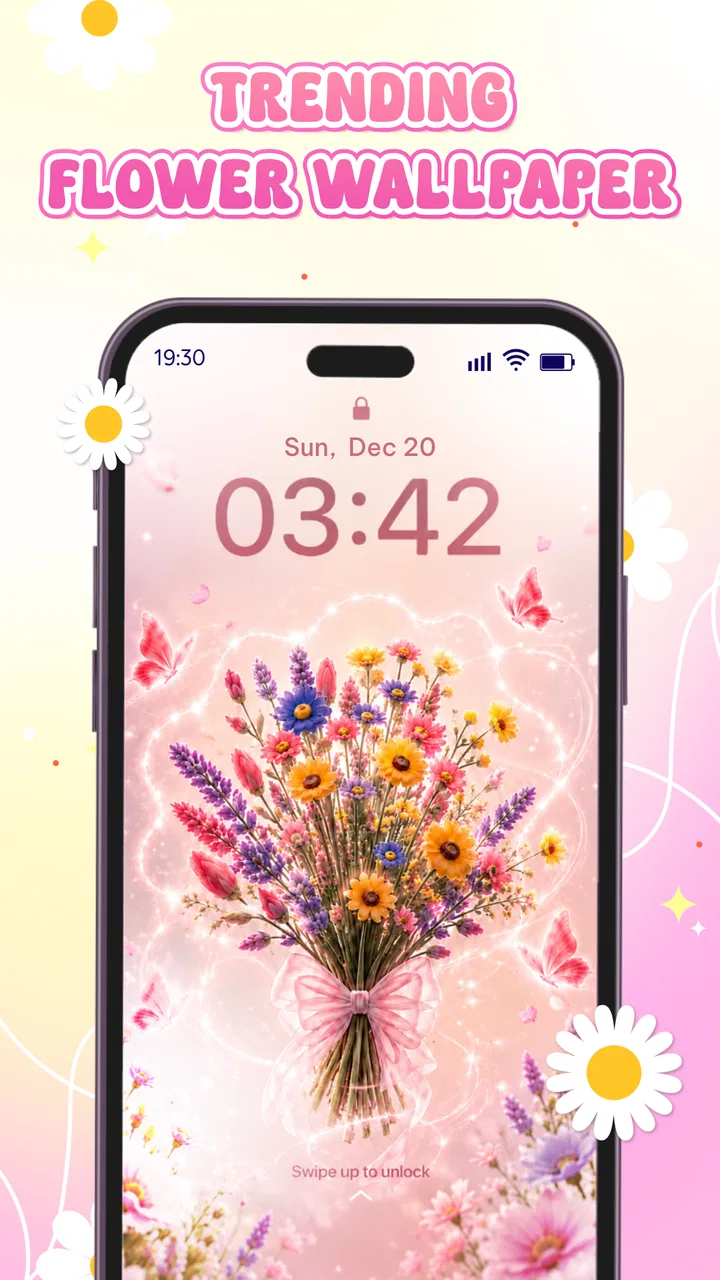
DIY Wallpaper Maker Collage
- 4.3
- Rating
- 5.00M
- Installs
- Free
- Price

 Analysis by App-foxy
I tried DIY Wallpaper Maker Collage as a personalization app with a simple household use case in mind: making a phone feel more personal without turning the process into a long design project. Its focus is creating wallpapers and photo collages, so the appeal is easy to understand. You choose images, arrange them into a visual layout, and use the result to refresh an aesthetic screen. I found it most useful when I wanted something made from my own photos rather than another ready-made background.
The app is free, carries an Everyone content rating, and comes from LeafMotion Software. It is available for devices running Android 8.0 or later, which makes it accessible on many older phones as well as newer ones. The current release is version 1.0.4, and its store summary presents it as a DIY wallpaper and collage tool. That description is brief, but the practical question is more important: does it make creating a personal background easier than using a general photo editor?
How it works when several people share a phone
In a shared household, a wallpaper maker can be more useful than it first appears. A parent might create a collage from holiday photos, one person might prepare a background for a child’s device, or two people might sit together and choose the images for a family tablet. I like this kind of app because the result is visible every time the screen is unlocked, yet the creation process can remain casual and collaborative.
You May Also Like

 Blood Strike: 2.5 Anniversary
Blood Strike’s Loadouts Turn Every Drop Into a Tactical Gamble
A close look at Blood Strike’s custom loadouts: how fast access to signature weapons reshapes its battle royale rhythm, rewards preparation, and narrows the gap between fights.

 Pandora - Music & Podcasts
Pandora’s Music Is Easy to Start, but Harder to Recover
Pandora’s strength is its low-effort path from a seed to a station. Its weak spot is how much confidence it asks you to place in connection, setup, and quiet recovery.

 8 Ball Pool
 Is Built on Rivalries, Rematches, and Routine
A close look at the rivalries, rematches, shared routines, and unanswered safety questions that turn a quick pool match into a persistent mobile community.

 Samsung Music
’s Quiet Strength Is Playing What You Already Own
Its reach comes less from spectacle than from dependable access to a personal library. That simplicity is both the app’s strongest retention engine and its ceiling.

 AccuWeather: Weather Radar
AccuWeather Review: A Quick, Clear Forecast for Everyday Decisions
For everyday plans, the best forecast is the one you can understand quickly. AccuWeather makes rain timing, radar, and local conditions easy to act on, with a few trade-offs.

 Hill Climb Racing
Why Hill Climb Racing Still Turns Crashes Into One More Run
A tiny car, a bumpy hill and one more upgrade: Hill Climb Racing keeps resurfacing because its simple chaos makes every near-miss feel personal.
More From Our News Desk



My preferred approach is to treat the first project as a small visual arrangement rather than a serious design task. I would select a handful of photos with a common mood, build a collage, and check whether the important parts of each image remain visible behind icons. That last check matters. A picture can look balanced inside the editor but become crowded once the home-screen layout is placed over it.
This is also where a collage tool differs from simply setting one photograph as a wallpaper. A single image usually gives a cleaner background, while a collage tells more of a story. The trade-off is that several images create more visual activity. On a shared device, I would ask the other users whether they prefer a calm background or something more expressive before spending time arranging it.
For an everyday example, imagine preparing a tablet for a weekend trip. One person chooses a landscape, another adds a group photo, and someone else selects a small detail such as food or a pet. A collage can turn those choices into a shared screen without requiring everyone to agree on one favorite image. The best result is not necessarily the most decorated one; leaving enough quiet space for icons often makes the finished wallpaper easier to live with.
What I would prepare before opening the editor
I get better results when I decide on the purpose first. If the wallpaper is for a personal phone, I can accept a busier composition. If it is for a shared tablet, I prefer fewer images and stronger contrast. I also sort through the photos beforehand instead of adding everything that looks vaguely suitable. This reduces the temptation to keep changing the layout simply because too many choices are available.
A useful trick is to separate photos by role. I look for one image that can act as the visual anchor, a couple of supporting pictures, and perhaps one detail that adds personality. Without that hierarchy, a collage can feel like a random camera roll. This small planning step is one of the easiest ways to make the app feel more capable without needing advanced design knowledge.
I would also avoid using sensitive household photos casually on a device that many people unlock. A wallpaper is intentionally public to anyone looking at the screen. That does not make the app unsafe by itself, but it does change how I choose images. Private documents, school information, addresses, and other identifying details belong elsewhere, not in a background that can be seen in a room or over someone’s shoulder.
Keeping the creative process separate from device ownership
One boundary is especially important with a shared phone: the person making the wallpaper is not automatically the person who owns the device. I would ask before changing the background, even if the collage is intended as a surprise. A design that seems attractive to one family member may make another person’s daily screen feel cluttered or uncomfortable.
The app is best treated as a creation tool rather than a household management system. I would not expect it to organize separate family profiles, protect private projects, or decide which person is allowed to edit the screen. Those responsibilities remain with the device owner and the people using it. If multiple people want different wallpapers, the simplest solution is to agree on a finished image and save it outside the creative session before applying it.
This matters because a personalization app can blur the line between making something and changing system appearance. On a personal phone, that distinction is barely noticeable. On a family tablet or a device used by several people, it becomes part of good coordination. I found that a quick conversation prevents more friction than trying to undo an unwanted design later.
Creating a collage that remains usable after it becomes a wallpaper
The strongest part of this type of app is the immediate connection between personal photos and the screen people see every day. I enjoy the hands-on aspect more than browsing a large catalog of pre-made backgrounds. Ready-made wallpaper apps are faster when I want an instant result, but they rarely carry the same personal meaning as a collage built from my own images.
At the same time, a DIY approach asks more from the user. The quality of the final result depends on image selection, cropping, spacing, and the amount of visual detail. I would not judge the app only by how quickly it produces an image. The more useful question is whether it gives me enough control to make a background that still works once icons, widgets, and notification elements are added.
My first practical check is the icon zone. I look at where the device normally places apps and avoid putting faces, text, or important objects directly underneath them. A family photo with a face hidden behind an icon feels poorly finished, even if the collage itself looked attractive. Placing quieter images in those areas is a simple design decision that makes a surprisingly large difference.
The second check is contrast. A detailed photograph can make white icons hard to read, while a pale image can make dark labels disappear. If the app lets me arrange several photos, I use that flexibility to balance busy and simple areas rather than filling every space with detail. When the result remains difficult to read, a conventional single-color or minimal wallpaper may be the better choice.
Three workflows that make the app more useful
My first recommended workflow is a “one anchor, several accents” layout. I choose one image that deserves attention, then use smaller or less visually intense photos around it. This is especially effective for a shared device because it gives the wallpaper a clear identity without making it feel chaotic. It also helps when different household members contribute images with very different colors.
The second is a seasonal rotation workflow. Instead of making one elaborate collage, I would create a small set for different moments: a trip, a birthday, a school term, or a quiet everyday period. The advantage is not that the app automates the changes; it is that each project has a clear purpose. I can finish one design without trying to make it represent every important memory at once.
The third is a low-detail lock-screen workflow. I reserve the clearer, less crowded composition for the screen that is checked most often, then use a more playful collage where icons are less of a concern. This separates decoration from readability. It is a useful compromise when one person wants a colorful design and another person needs to identify apps quickly.
These workflows also reveal the main trade-off. The app can help turn personal images into something distinctive, but it does not remove the need for visual judgment. Someone who wants automatic cropping, professional typography, layered graphics, or precise brand-style templates may be happier with a full photo editor or a dedicated design service. DIY Wallpaper Maker Collage is more appealing when the goal is a quick, personal arrangement rather than a polished poster.
Using it with children and younger household members
The Everyone rating makes the app suitable for a broad audience, but an age label is not a substitute for supervision or family judgment. I would be comfortable involving a child in choosing colors and photos, especially because the activity can be a gentle introduction to composition. I would still decide which images are appropriate for a shared screen and explain that a wallpaper may be visible to anyone nearby.
For younger users, I would keep the project focused. Asking them to choose a favorite photo, a background mood, and one or two supporting images gives them meaningful control without turning the session into an endless series of revisions. The adult can handle the final check for readability and privacy. That division keeps the creative part fun while preserving sensible boundaries.
Older children may want the result to express their identity more strongly. In that case, I would let them lead the visual choices but still discuss whether the image includes personal information, school details, or other content they may not want displayed publicly. The app makes customization easy to imagine, but responsible sharing still depends on the people using the device.
I would not use the app as a replacement for parental controls, device restrictions, or account separation. Its purpose is visual customization. If a household needs protected profiles, approval workflows, or limits on who can change settings, those needs belong to the operating system or another dedicated tool. Confusing a wallpaper creator with a family-safety feature would create expectations it was never designed to meet.
How it compares with the usual alternatives
Compared with a standard gallery app, this app is more focused. A gallery can set a photo as wallpaper, but it usually does not encourage the same collage-first way of thinking. If I only want one picture, the gallery is probably quicker. If I want several memories arranged into one screen, a dedicated collage tool is the more natural starting point.
Compared with a general photo editor, the app should appeal to people who do not want to learn layers, masks, or a large collection of professional controls. A full editor gives more precision, but that extra power can slow down a simple household project. I would choose the broader editor for a carefully designed invitation or social graphic, and this app for a personal background I expect to finish in one sitting.
Compared with wallpaper catalog apps, the difference is personal ownership. Catalogs are convenient when I want inspiration or an immediate visual change. This app is better when the wallpaper should reflect a particular group of people, memory, or occasion. The downside is that the quality depends on the photos I bring, so it cannot magically provide a strong result when the source images are poorly chosen.
The average rating is 3.0 from around 500 ratings, while the app has passed one million installs. I read those figures as a reason to keep expectations measured rather than as a simple verdict. The large install count suggests that the basic idea has broad reach, but the middling rating makes me approach it as a straightforward utility that may not satisfy users looking for extensive control or a highly refined design experience.
Where the experience can become frustrating
The biggest possible friction is the gap between a fast concept and a good final wallpaper. Choosing photos is easy; making them coexist with icons is harder. If the app’s layout options feel limited for a particular screen shape, I may spend more time adjusting the source images than I expected. That is not a deal-breaker for casual use, but it matters if I want exact placement.
Another limitation is the nature of collage design itself. More photos do not always mean more value. A crowded background can age quickly, become distracting, or make a shared device feel less neutral. I would rather create a restrained collage and keep it for longer than make an overloaded design that needs replacing after a day.
There is also a household coordination cost. When several people contribute ideas, the creative process can become a negotiation over which photos deserve space. The app can support that conversation by giving everyone something visual to react to, but it cannot resolve disagreements. For a device with one clear owner, this is minor. For a family tablet, agreeing on the purpose before editing saves time.
Because it is free, I would also approach the experience with the practical mindset I use for any no-cost personalization tool: review each screen carefully and avoid assuming that every option will behave like a professional desktop editor. I would keep original photos safely stored elsewhere and treat the finished wallpaper as a copy for display. That is good practice regardless of the app, especially when several people are involved.
Who should use it and who should skip it
I would recommend it to someone who wants a personal wallpaper made from familiar photos, prefers a hands-on process, and does not need a full design studio. It is a good fit for a quick family activity, a themed background for a trip, or a gentle visual refresh on an older Android device. The free price also makes experimentation easy for people who are unsure whether they will use a collage regularly.
I would be more cautious about recommending it to a user who expects advanced editing, exact alignment, professional text treatment, or automatic results that require almost no decisions. A wallpaper catalog may be better for instant variety, while a full editor may be better for precision. Someone who dislikes visual clutter may also prefer a single photograph or a plain background instead of a collage.
For a shared device, I would recommend it only with clear ownership boundaries. Let the device owner approve the final image, keep private photos out of the selection, and make sure the background remains readable for everyone who uses the screen. Those steps are simple, but they determine whether the app feels like a pleasant shared project or an unwanted change to someone else’s device.
My household verdict
After using it as a practical personalization tool, I see DIY Wallpaper Maker Collage as a focused option for turning personal photos into a more distinctive screen. Its strength is not professional-level design depth; it is the approachable idea of making a wallpaper together or building one around a specific memory. That makes it more meaningful than a random background and less demanding than a full editing suite.
I would start with a small, carefully selected set of images, leave quiet space for icons, and preview the result as a real home screen rather than judging only the collage canvas. For a family or shared device, I would involve the owner in the final decision and treat the app as a creative activity, not as a way to manage accounts or permissions.
My recommendation is positive for casual, photo-based customization, with realistic expectations. The app is free, accessible on older Android versions, and suitable for Everyone, but its moderate average rating suggests that not every user will find its level of control satisfying. If you want a personal collage quickly and enjoy making visual choices, it is worth trying. If you want precision, automation, or a completely clean screen, the usual gallery, wallpaper catalog, or full photo editor may serve you better.
FAQs for DIY Wallpaper Maker Collage
01What features does DIY Wallpaper Maker Collage offer?
DIY Wallpaper Maker Collage offers a comprehensive set of tools to create personalized wallpapers. Users can choose from a variety of templates, stickers, and fonts. The app also allows users to import personal photos and customize layouts, colors, and text styles. Additionally, it includes features for adjusting image brightness, contrast, and saturation to enhance each creation.
02Is DIY Wallpaper Maker Collage user-friendly for beginners?
Yes, the app is designed with a user-friendly interface, making it accessible for beginners. It provides easy-to-follow tutorials and tips to help new users navigate the features. The drag-and-drop functionality, along with clear icons and labels, ensures that users can create stunning wallpapers without needing prior design experience.
03Does DIY Wallpaper Maker Collage have any in-app purchases?
While DIY Wallpaper Maker Collage is free to download, it offers in-app purchases. These purchases include additional premium templates, sticker packs, and advanced editing tools. Users can choose to enhance their design experience by purchasing these extras, which are entirely optional and not necessary for basic functionality.
04Can I share my creations from DIY Wallpaper Maker Collage directly?
Absolutely! The app provides seamless sharing options. Users can directly share their wallpapers on social media platforms like Instagram, Facebook, and Twitter. Additionally, the app supports saving creations in various resolutions, making it easy to set them as wallpapers or send them via messaging apps.
05Is DIY Wallpaper Maker Collage compatible with all devices?
DIY Wallpaper Maker Collage is compatible with most Android and iOS devices. It requires Android version 5.0 or later, and iOS version 10.0 or later. The app is optimized for both smartphones and tablets, ensuring a smooth experience across different screen sizes and resolutions.
Pros
- Easy-to-use interface for beginners.
- Wide variety of customization options.
- High-quality output resolution.
- Regular updates with new features.
- No watermark on final designs.
Cons
- Limited free template selection.
- Occasional ads can be intrusive.
- Requires internet for some features.
- No direct social media sharing option.
- Some features locked behind paywall.

DIY Wallpaper Maker Collage
Gallery